
ClaimStinger Certification

- Description
- Curriculum
- Reviews
-
1
 CCR – How to Create a Closed Claim Report
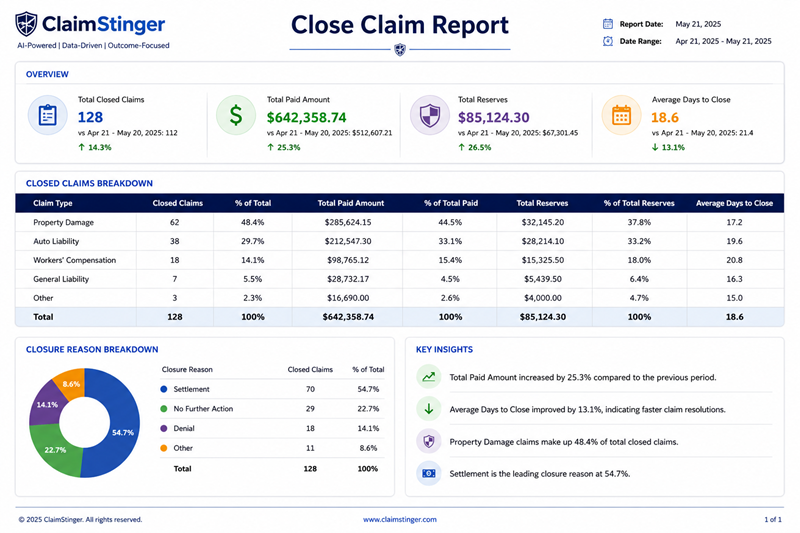
This video course provides step-by-step instruction on how to properly create a Closed Claim Report (CCR) using ClaimStinger. You’ll learn how to accurately document essential insurance and vehicle information and capture the photographs needed to produce a clear, complete, and professional claim report.
The course covers the importance of recording key insurance details, including the policy number and deductible amounts, as well as the correct procedure for photographing the vehicle. You’ll learn the recommended four-corner photo sequence—Left Front, Right Front, Right Rear, and Left Rear—to ensure consistent vehicle documentation.
The course also explains how to document additional or pre-existing vehicle damage. When photographing these areas, you’ll learn to include a hand or finger pointing directly to the damage, making it easier for reviewers to identify the specific area being documented.
By the end of the course, you should be able to follow a consistent Closed Claim Report process, capture the required information and images, and create documentation that is easier for claim professionals to review.
-
2
Unlocking Trust – The Power of the Digital Vault
This video course introduces the ClaimStinger Digital Vault and demonstrates how secure vehicle documentation can help dealerships protect their assets, establish trustworthy records, and strengthen their position when handling claims and potential losses.
You’ll learn how the Digital Vault provides secure storage for vehicle asset documentation and forensic walkthrough evidence, creating an organized record that can be referenced when documentation is needed. The course also explains how a focused five-minute forensic walkthrough can capture important property and vehicle evidence, helping establish a clear record of vehicle condition.
The course also introduces the TAPP engine and its role in identifying opportunities for greater equity recovery. According to the training, this process can help dealership clients achieve potential recoveries ranging from $5,000 to $17,000.
By the end of the course, you’ll understand how the Digital Vault, forensic documentation process, and TAPP engine work together to provide greater transparency, stronger documentation, and increased financial protection for dealership vehicle assets.
-
3
Why Vehicle Condition Reports Are So Important for Credit Union Members
This video course explores how ClaimStinger Vehicle Condition Reports can help credit unions and their members document vehicle condition, protect vehicle value, and reduce disputes involving pre-existing damage.
The course examines situations where members may face unexpected or unfair damage claims, such as a rental car company attempting to charge for damage that existed before the vehicle was rented. You’ll learn how thorough vehicle documentation can provide valuable evidence when questions arise about when or how damage occurred.
You’ll also discover how ClaimStinger condition reports go beyond photographs by documenting important information such as vehicle mileage and calculated book value, creating a more complete record of the vehicle and its condition.
Finally, the course discusses the long-term value of promoting ClaimStinger throughout the dealership and lending relationship. Consistent vehicle documentation can contribute to higher trade-in values and stronger client loyalty while giving members greater confidence in protecting their vehicle investment.
By the end of the course, you’ll understand why vehicle condition reports are an important tool for credit unions, dealerships, and their clients—and how better documentation can help protect both the vehicle and its value.
-
4
When Was the Last Time Your Insurance Company Asked for Residential or Commercial Property Photos After a Repair Claim?
This video course explores an often-overlooked issue in residential and commercial property insurance: what happens after a repair claim is closed? While damaged property may be repaired, insurance companies rarely follow up to photograph or document the property's restored condition.
You’ll learn how the ClaimStinger Closed Claim Report creates an official, timestamped record of completed repairs and the property's post-repair condition. This documentation can provide valuable evidence if a future claim raises questions about whether damage was new, pre-existing, or previously repaired.
The course also examines how credit unions can provide additional value to their members by offering access to this type of documentation. By helping members establish a reliable record of their residential or commercial property, credit unions can strengthen their role as a trusted advisor committed to helping members protect their most significant investments.
By the end of the course, you’ll understand how post-repair documentation can reduce uncertainty, help prevent future claim disputes, and provide property owners with a stronger record of their property's condition.
-
5
How to Create a Diminished Value Claim Report
This video course provides a step-by-step guide to creating a Diminished Value Claim Report using the ClaimStinger Asset Protection System. You’ll learn how to access the reporting system, document the vehicle correctly, and provide the important insurance information needed for a complete report.
The process begins by opening the email received from the Asset Protection System and selecting the sign-in link. From there, the course walks you through the required vehicle documentation and explains how to capture consistent photographs of the vehicle.
You’ll learn the correct four-corner photo sequence: Left Front Driver, Right Front Passenger, Right Rear Passenger, and Left Rear. Following this sequence creates an organized visual record of the vehicle’s condition.
The course also highlights the most important information to complete in the insurance section, particularly the policy number and deductible amount.
By the end of the course, you’ll understand how to navigate the Diminished Value Claim Report process, capture the required vehicle photos, enter essential insurance information, and create thorough documentation to support a diminished value claim.
-
6
How to Choose a Vehicle Deductible Amount
This video course explains how choosing the right vehicle insurance deductible can help drivers balance insurance costs with the potential expense of filing a claim.
You’ll learn about a split deductible strategy, including the recommended approach of a $250 comprehensive deductible and a $500 collision deductible. The course explains why different deductible amounts may make sense depending on the type of damage and the circumstances surrounding a claim.
The course also reviews common examples of comprehensive claims, such as a broken windshield or minor hail damage, and how a lower comprehensive deductible can reduce out-of-pocket costs for these types of incidents.
You’ll also discover how a ClaimStinger Vehicle Condition Report can help customers make more informed claim decisions by documenting damage and helping determine repair costs. This information can make it easier to evaluate whether filing an insurance claim or paying for the repair out-of-pocket is the better financial choice.
By the end of the course, you’ll have a better understanding of comprehensive and collision deductibles, how to select appropriate deductible amounts, and how vehicle documentation can support smarter decisions when damage occurs.
-
7
Unlocking Diminished Value with ClaimStinger
This video course explores how ClaimStinger helps identify, document, and support diminished value claims following vehicle damage and repairs. You’ll learn how accurate vehicle information and a strong documentation trail can help demonstrate the financial impact an accident may have on a vehicle’s market value.
The course explains the importance of the Vehicle Identification Number (VIN) and its role in establishing the vehicle’s pre-loss market value. This provides an important foundation for evaluating how an accident and subsequent repairs may affect the vehicle’s value.
You’ll also learn about the key components of a strong documentation chain, including before-and-after imagery, repair invoices, and expert appraisal reports. Together, these records help establish the vehicle’s condition, document completed repairs, and support an evaluation of the resulting loss in value.
Finally, the course demonstrates how ClaimStinger can help dealership clients translate real-world vehicle damage into a verifiable financial loss and potential tangible recovery.
By the end of the course, you’ll understand the fundamentals of diminished value, the importance of establishing pre-loss value, and how comprehensive documentation can help support stronger and more defensible diminished value claims.
-
8
How Often Should I Change My Insurance Carrier
This video course explains why regularly reviewing your auto insurance coverage can help you find better rates while ensuring your vehicle remains properly documented when moving from one insurance carrier to another.
You’ll learn why it can be beneficial to shop or compare insurance carriers every 6 to 12 months, or when your policy comes up for renewal. Comparing options periodically can help you evaluate pricing, coverage, deductibles, and whether your current policy continues to meet your needs.
The course also addresses an often-overlooked risk when changing insurance companies: establishing the condition and value of your vehicle at the time of the switch. Without an official baseline, questions may arise later about whether damage occurred before or after the new policy began.
You’ll discover how a ClaimStinger Vehicle Condition Report helps establish that baseline by providing a timestamped photographic record, mileage-calculated book value, and documented vehicle condition at a specific point in time.
By the end of the course, you’ll understand when to consider shopping for a new insurance carrier and how documenting your vehicle before making a change can help protect you from potential pre-existing damage disputes and provide greater confidence when filing a future claim.
-
9
Initial Collision Estimate
This video course provides a step-by-step introduction to creating an Initial Collision Estimate through ClaimStinger’s Total Asset Protection Program (TAPP). You’ll learn how to document a vehicle after a collision, capture the required images, review the information, and submit the completed report for processing.
The course demonstrates the required four-corner vehicle photography process, including Front Left, Front Right, Rear Right, and Rear Left images. These photos provide a consistent overview of the vehicle and help establish its post-collision condition.
You’ll also learn how to review the completed vehicle report before submission to ensure the necessary information and photographs have been captured correctly.
Once the final report is reviewed and submitted, the system processes the information in approximately 90 seconds, providing a fast and efficient way to generate an initial collision estimate.
By the end of the course, you’ll understand how to navigate the Initial Collision Estimate process, properly photograph the vehicle, submit the required documentation, and use ClaimStinger’s Total Asset Protection Program to streamline the initial damage assessment process.
-
10
How To Create A Property Closed Claim Report
This video course provides a step-by-step guide to creating a Property Closed Claim Report using ClaimStinger. You’ll learn how to document a residential or commercial property after repairs have been completed and create a reliable record of its post-claim condition.
The course begins with entering important claim information, including a description of the original loss, such as hail, wind, or flood damage. You’ll then learn how to enter the property address and use the Google Maps satellite view to verify and document the correct claim location.
The course walks you through the process of capturing and organizing the information needed for the report, helping establish a clear record of the property's condition after repairs. This documentation can be valuable if questions about previous damage or completed repairs arise during a future insurance claim.
By the end of the course, you’ll understand how to navigate the Property Closed Claim Report process, verify the property location, document the original claim, and create a permanent record that can help protect the property owner from future claim disputes.
For additional assistance with ClaimStinger, the course provides the contact email info@claimstinger.com.
-
11
Property Closed Claim Report Part 2 Fire & Flood Damage Restoration Companies
This video course continues the ClaimStinger Property Closed Claim Report training with a focus on how fire and flood damage restoration companies can document completed restoration work and establish a reliable record of a property's post-repair condition.
You’ll learn how to begin a Property Closed Claim Report by entering essential claim information, including descriptions of losses such as hail, wind, or flood damage. The course also demonstrates how ClaimStinger uses the property address along with a Google Maps satellite view to verify and document the correct claim location.
For restoration professionals, creating a Closed Claim Report provides an additional layer of documentation after repairs are completed. It helps establish what the property looked like when restoration work was finished and creates a record that property owners, contractors, and other parties can reference if questions arise during a future claim.
By the end of this course, you’ll understand how fire and flood restoration companies can use ClaimStinger to document completed work, verify property locations, create stronger post-restoration records, and provide additional value and protection to their customers.
-
12
Roofers and Property Closed Claim Reports
This video course explores how roofing contractors can use ClaimStinger Property Closed Claim Reports to provide customers with professional documentation of completed roofing repairs and restoration work.
You’ll learn how a Closed Claim Report can establish a clear record of a property's condition after roofing work has been completed. This post-repair documentation can help demonstrate the completed scope of work and provide property owners with valuable information to reference if questions arise during a future insurance claim.
The course also introduces ClaimStinger’s white-label capabilities, which allow roofing companies to customize reports with their own logo and company information. This gives contractors the opportunity to provide professionally branded documentation while reinforcing their company’s identity and customer service.
By the end of the course, you’ll understand how roofing contractors can incorporate Closed Claim Reports into their workflow to document completed work, strengthen customer relationships, enhance their professional brand, and provide additional long-term value to property owners.
-
13
Stop Clock
This video course explains how the ClaimStinger Stop Clock Document can help protect customers when repair delays could affect their ability to pursue a GAP policy refund.
You’ll learn why timing is an important part of the claim and repair process, beginning with the date of loss, when the claim reimbursement window starts. As repairs progress, delays involving parts, approvals, scheduling, or other circumstances can use valuable time within that window.
The course demonstrates how the Stop Clock Document is designed to assist in pausing the repair time window and provide supporting documentation that may help customers preserve their opportunity to obtain an eligible GAP policy refund.
You’ll also learn how to access the Stop Clock Document through the ClaimStinger software, where it is available for $39.
By the end of the course, you’ll understand when the reimbursement timeline begins, why documenting repair delays is important, and how the ClaimStinger Stop Clock Document can be used as part of the process to help protect a customer's potential GAP refund.
-
14
Negotiating Total Loss Claim
This video course explains how to approach a total loss claim negotiation with stronger vehicle valuation information and supporting documentation. You’ll learn how ClaimStinger can help vehicle owners establish a more complete picture of their vehicle’s value before evaluating or disputing an insurance settlement.
The course reviews important factors used to determine fair market value, including the vehicle’s year, make, model, condition, and exact mileage. You’ll also learn why bulk salvage websites such as Copart are not considered appropriate fair market value comparisons for these negotiations.
The training also discusses total loss thresholds, including situations where some insurance carriers may attempt to total a vehicle at a damage level as low as 40%, even when applicable state thresholds may be higher.
You’ll learn why the presenter recommends beginning with a ClaimStinger Vehicle Condition Report to establish a documented book value based on the vehicle’s specific information and condition. This documentation can then provide a stronger foundation when reviewing a settlement or preparing a Total Loss Dispute Document.
By the end of the course, you’ll better understand how vehicle values are established, what information to consider when reviewing a total loss offer, and how proper documentation can help you negotiate a total loss claim from a more informed position.
-
15
How to Create a Vehicle Condition Report
This video course provides a step-by-step guide to creating a complete Vehicle Condition Report using the ClaimStinger mobile app. You’ll learn how to enter important vehicle and insurance information, capture the required photographs, and access your completed report.
The course demonstrates the proper sequence for taking the four exterior corner photos: Left Front, Right Front, Right Rear, and Left Rear. Following this consistent process helps create clear and organized documentation of the vehicle’s overall condition.
You’ll also learn which insurance details are especially important to record, including the policy number and deductible amount, helping ensure essential information is included with the vehicle documentation.
Finally, the course shows you where completed Vehicle Condition Reports are stored. Once created, reports can be accessed directly from the My Reports section of the ClaimStinger mobile app.
By the end of this course, you’ll know how to document a vehicle efficiently, capture the necessary information and photos, and retrieve your completed Vehicle Condition Report whenever it is needed.
-
16
Buy a New to You Car Compared to a New One and What it Could Mean
This video course explores the differences between purchasing a new vehicle and a “new to you” pre-owned vehicle, with a focus on how proper documentation can help buyers make a more informed purchasing decision.
You’ll learn how a ClaimStinger Vehicle Condition Report can provide valuable information before purchasing a used vehicle, including a mileage-calculated book value that can serve as a powerful negotiating tool when discussing the vehicle’s purchase price.
The course also explains the importance of establishing a clear record of the vehicle’s condition at the time of purchase. Photos and timestamps help document the vehicle’s current condition, giving buyers a baseline they can reference after taking ownership.
By combining vehicle condition documentation with mileage-based valuation information, buyers can better evaluate the vehicle, identify potential concerns, and approach price negotiations with more information.
By the end of the course, you’ll understand how a pre-purchase Vehicle Condition Report can help you evaluate a “new to you” vehicle, strengthen your negotiating position, and establish an important record from the day you purchase it.
As ClaimStinger reminds vehicle owners: “Always cover your assets.”
-
17
How Are Estimates Written for Damages for Vehicles and Properties
This video course explains how damage estimates for vehicles and properties are created, why an initial estimate may change, and how proper documentation can help protect an asset throughout the repair process.
You’ll learn why an initial estimate is rarely the “final word.” An estimate is typically based on the damage that can be seen at the time of inspection. Once repairs begin, additional or hidden damage may be discovered, potentially changing the scope and cost of the work.
The course also explains how a ClaimStinger Vehicle Condition Report can be used before an estimate is written and again after repairs are completed. This creates documentation of the asset at important stages of the claim and repair process.
You’ll also learn the value of documenting the post-repair condition. Creating a clear record after repairs helps demonstrate the completed work, provides evidence of the asset’s restored condition, and helps protect its value if questions or future claims arise.
By the end of the course, you’ll better understand how damage estimates are developed, why estimates can change as hidden damage is uncovered, and how before-and-after documentation can provide greater transparency and protection for both vehicles and properties.
-
18
When Was the Last Time Your Insurance Company Asked for Vehicle Condition Photos NEVER.
This video course explores why documenting a vehicle’s condition before and after a claim can be an important part of protecting a customer’s automotive investment.
You’ll learn how the absence of pre-existing condition documentation can create challenges after an accident or other loss. Without clear photographic evidence of the vehicle’s prior condition, questions can arise about when damage occurred, whether it was pre-existing, or whether a particular component required replacement because of the current incident.
The course explains how ClaimStinger can help establish a documented baseline before a loss and create a detailed, time-stamped record of the vehicle’s restored condition after repairs are completed. Together, these records provide a clearer history of the vehicle’s condition throughout ownership and the claim process.
You’ll also discover why educating dealership clients about proactive vehicle documentation can provide value beyond the initial vehicle purchase. Giving customers access to these tools can help them better document and defend their assets and support their position when pursuing what they may be entitled to under a claim.
By the end of the course, you’ll understand why vehicle condition photos matter, how pre- and post-claim documentation can reduce uncertainty, and how ClaimStinger can help customers become better prepared before the next incident occurs.